Property, Civil & Real Estate
6 areasProperty disputes turn on documentation, history and possession.
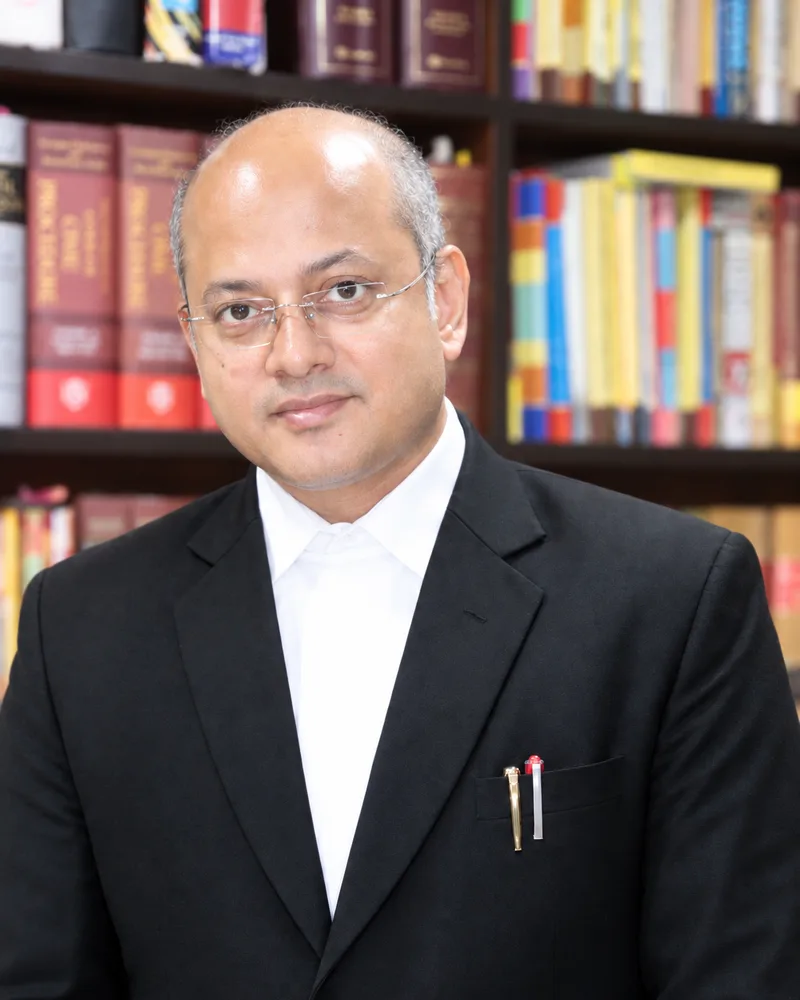
Gopal Pahari
Managing Partner
Property disputes turn on documentation, history and possession.
A clear, properly executed will greatly reduces the scope for dispute among heirs.
Many commercial disputes are, at their core, disputes about contract and property.
Tenancy law varies significantly across States.
We conduct matters before the Supreme Court of India in civil, property, succession, constitutional and criminal litigation.
Many civil, property and succession disputes reach their final stage before the Supreme Court. The practice prepares and conducts Special Leave Petitions under Article 136 of the Constitution, civil and criminal appeals, writ petitions under Article 32, transfer petitions, and review and curative petitions. Filings are made through an Advocate-on-Record, as the Supreme Court Rules, 2013 require.
Our New Delhi office supports this work. Where a matter we have conducted in Kolkata or Mumbai proceeds to the Supreme Court, the same team can remain involved from the trial record through to the final hearing.
Property and succession disputes are rarely only about the law. They are about documents, family history, timelines and procedure. Our approach reflects that.
Every matter begins with the documents: the chain of title, wills, agreements, correspondence and earlier proceedings. We identify gaps in the record early, before they become weaknesses in the case.
We examine the governing statute, limitation, jurisdiction, maintainability and the relevant precedents, and set out the available options candidly, together with their risks.
A single dispute may permit several routes: a civil suit, a testamentary proceeding, a regulatory complaint, mediation or arbitration. We advise on the route that best suits the client’s objective, cost and timeline.
Careful pleadings, organised evidence and consistent follow-up through appeal and execution, so that an order of the court can be carried into effect.
Head Office
10, Old Post Office Street, 1st Floor, Left Block, Room Nos. 30 & 31, BBD Bagh, Kolkata – 700 001, West Bengal
Principal work: Calcutta High Court (Original and Appellate Sides), City Civil Court, district courts and tribunals in West Bengal
Get directionsBranch Office
Address to be published shortly.
Principal work: Supreme Court of India, High Court of Delhi and Delhi forums
Branch Office
Address to be published shortly.
Principal work: High Court of Bombay and Mumbai forums
Articles, case notes and legal updates written by members of the practice. They explain recent judgments, legislative changes and recurring legal questions in plain language.
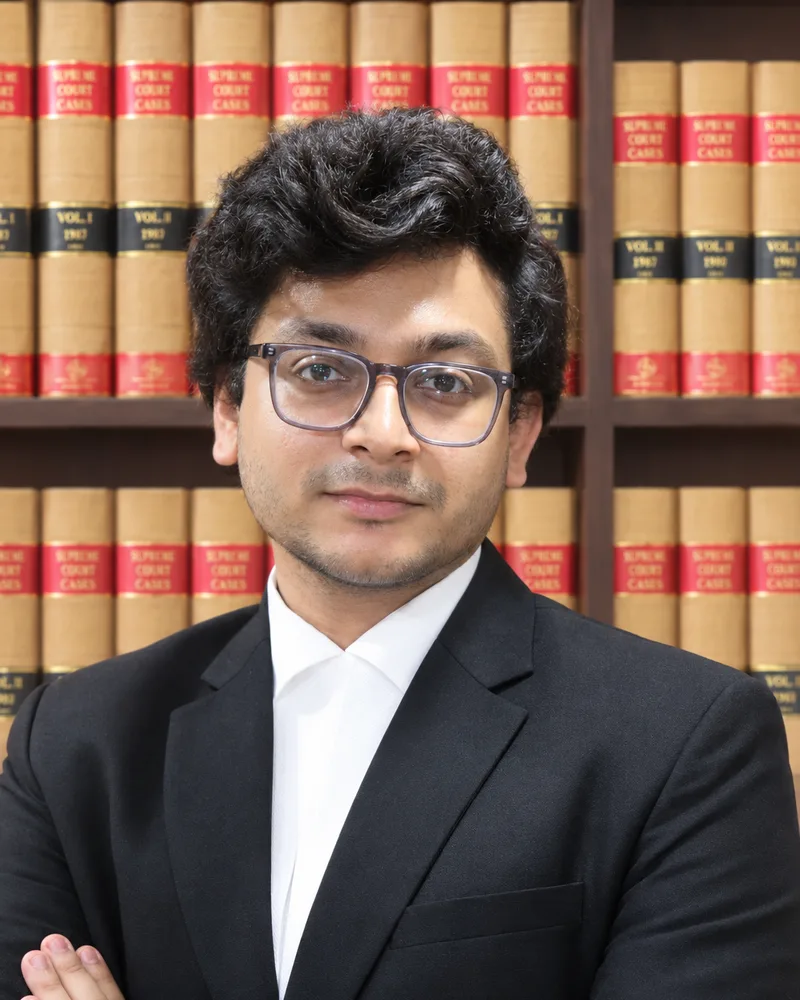
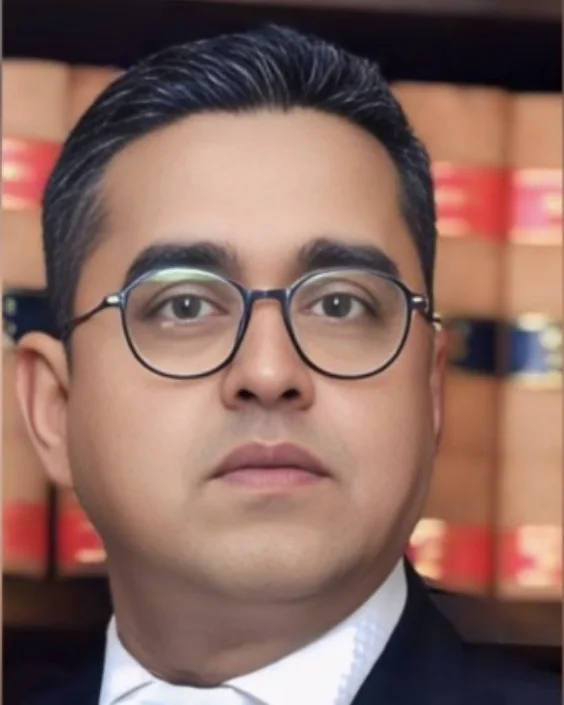
Pahari & Co. brings together advocates with experience in trial, appellate and advisory work across Kolkata, New Delhi and Mumbai. Each profile sets out the member’s qualifications, enrolment, areas of practice and the courts in which they appear.
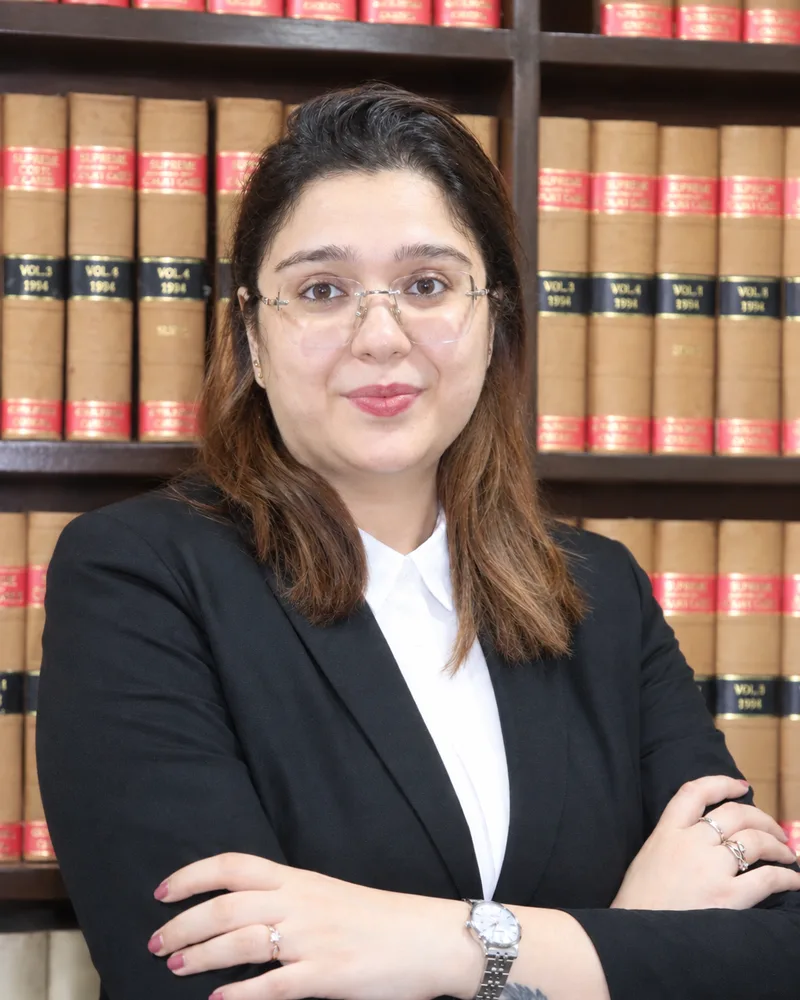
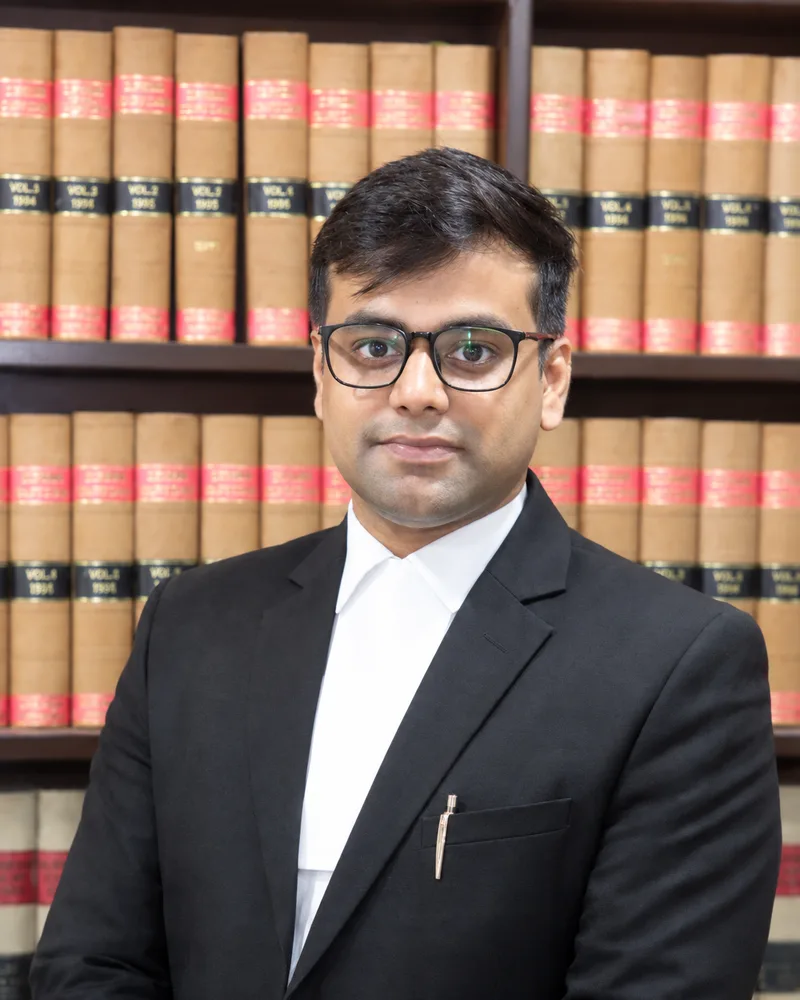
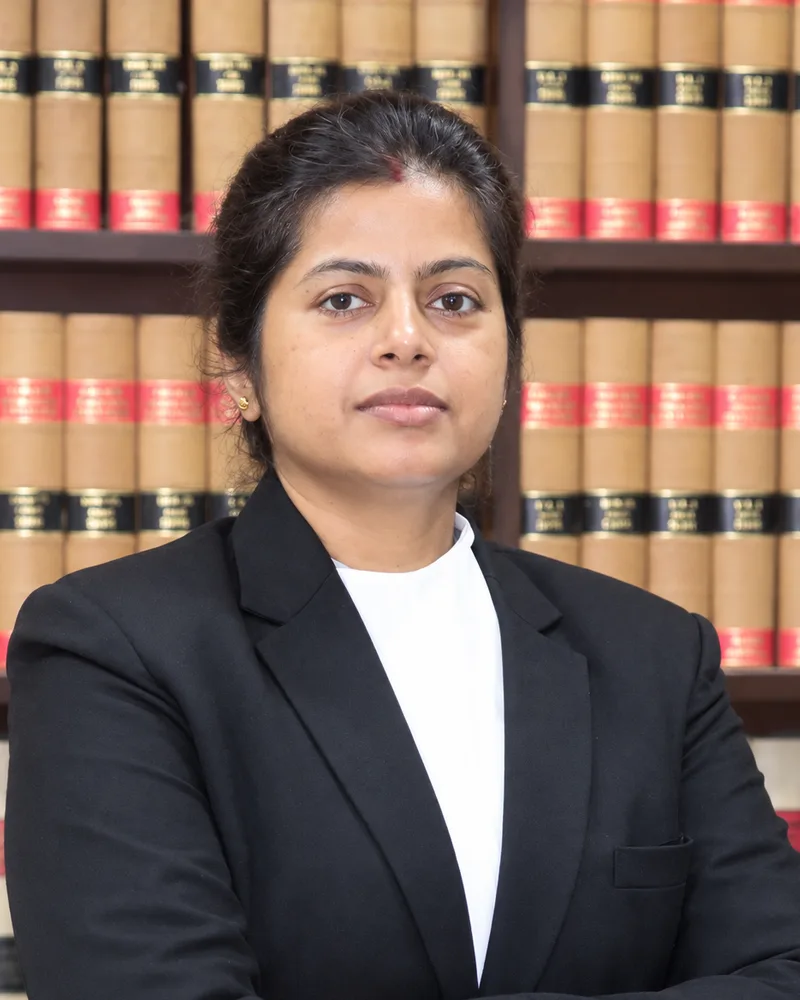
For professional correspondence, please write to us or call any of our offices in Kolkata, New Delhi or Mumbai.
Contacting us through this website or by email does not, by itself, create an Advocate–Client relationship. Please do not send confidential or sensitive information until an Advocate–Client relationship has been formally established.